Master MSc. & Ph.D. University of British Columbia
2021 – Current
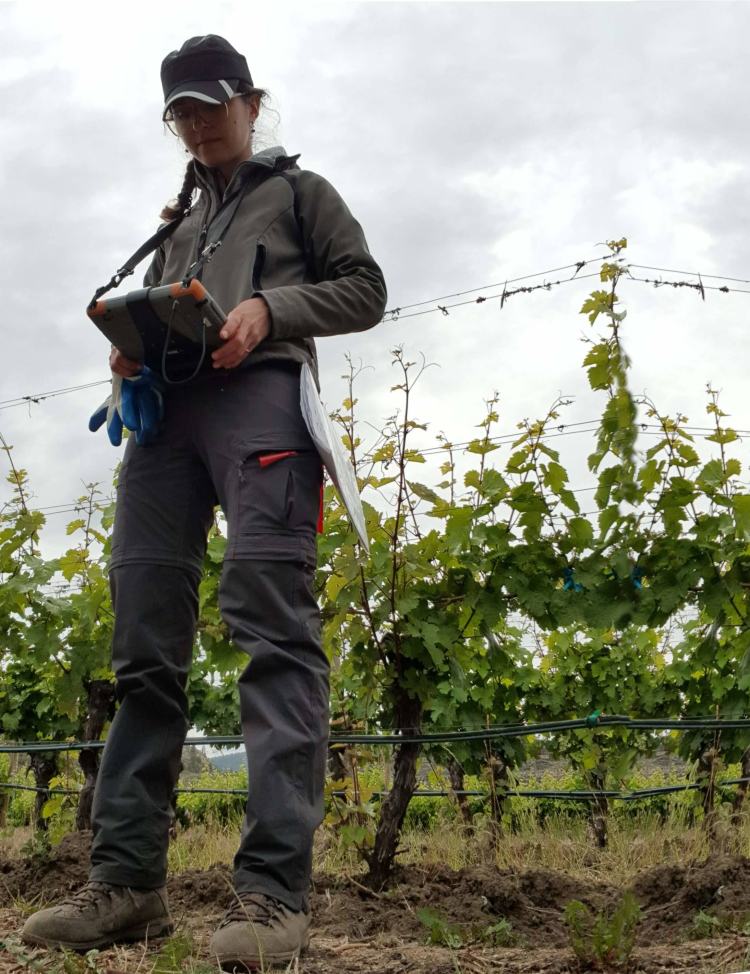
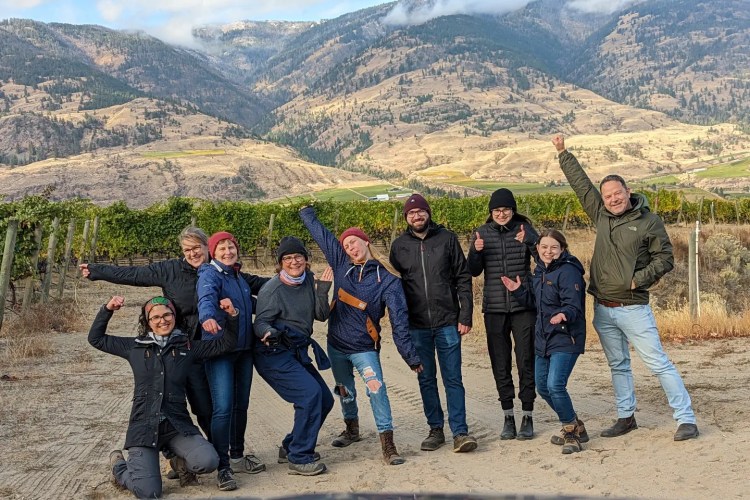
I am currently doing my Ph.D. in Canada, at the University of British Columbia, Vancouver, with Jonathan Davis and under the co-supervision of Jose-Ramon Urbez-Torres, of the Summerland Research and Development Center (Agriculture and Agri-Food Canada, AAFC) and I have gotten very interesting results.
The idea of my Ph.D. project is to find the variables needed to predict the jump of a pathogen from one plant species to another.
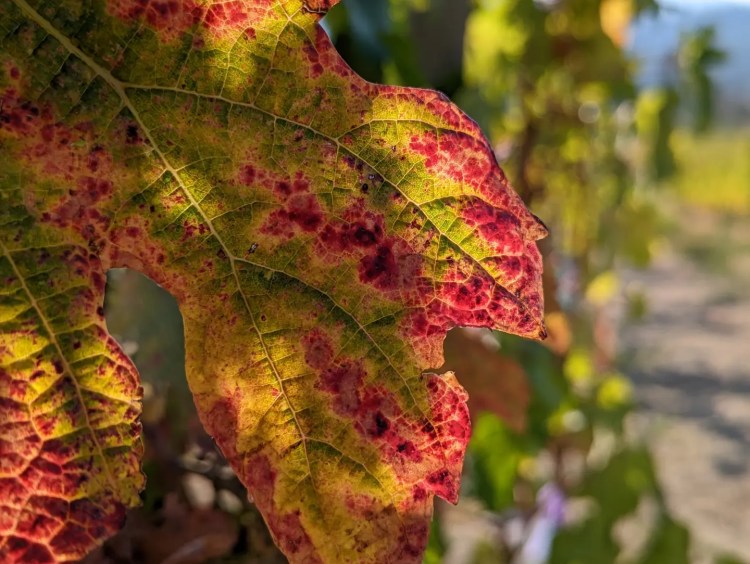
We know that plant diseases are a major problem, not only for the agricultural and food industries but also for the biofuel, textile, and construction industries, among many others. With the changing climate, pathogens might be able to reach new locations and crops that were outside their limits before.
With the work I am doing with Jonathan Davis and Jose-Ramon Urbez-Torres and using the Botryosphaeriaceae fungal family as an example, we have delineated the variables affecting the capability of a fungal species to jump from one host to another. We study the importance of the evolutionary history of both the plant host and the pathogen. There, phylogeny allows us to look at patterns in the infection of related plants.
We found patterns in the geographical location of the infections, bringing to the table the importance of climate and biogeography boundaries for the distribution of these fungi.
We talked about common crop management practices, breeding, and how these might have allowed the spread of these diseases worldwide, highlighting the importance of human movement of plant species. This can help government entities, industry, and the international community generate efficient policies and quarantine protocols to avoid spreading fungal diseases. It can be used to highlight the fungal species of higher concern, as they have a higher chance of jumping to a new plant species, generating epidemics. It can also guide growers to choose suitable places for their crops, reducing the probability of infection and diluting the incidence of a disease sustainably.

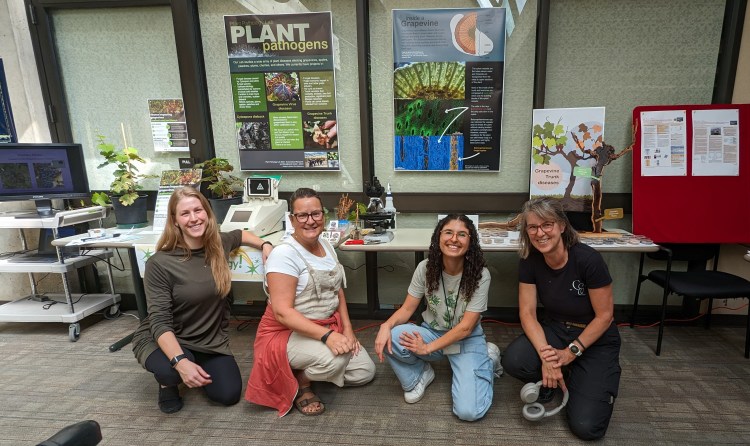

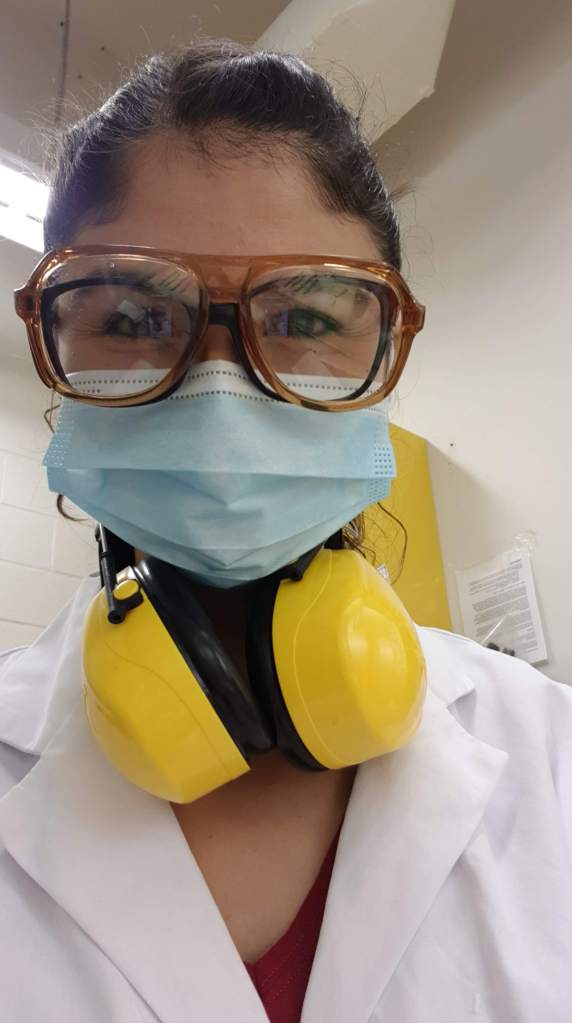
Once we determine which fungi can novelly infect the specific plant or crop, we expect to predict how severe the infection will be. Here, we evaluate the impact of the phylogenetic, biogeographical, and external biotic conditions concerning how virulent the pathogen will behave in the new plant host.
Is the identity of the fungi important to determine if an infection would occur and with which severity? Is the identity of the plant important?
Maybe the geographical origin of the pathogen can help us predict the virulence of the fungi. Or, is the microbiome of the plant determining how much necrosis we will see in the internal tissue?
Stay tuned!
Instructor at Melbourne Institute of Podology
2019 – Current
I have taught Microbiology and Pharmacology at the MIP Institute for years. They have an amazing group of people, and I love to go to the basics and explain, for example, how drugs are absorbed and distributed in the body, how bacteria can create resistance to antibiotics, how fungi can be used to degrade waste, how microorganisms are essential for human, animal and plant life.

Research Associate at the University of California Davis, Chile
2017 – 2021
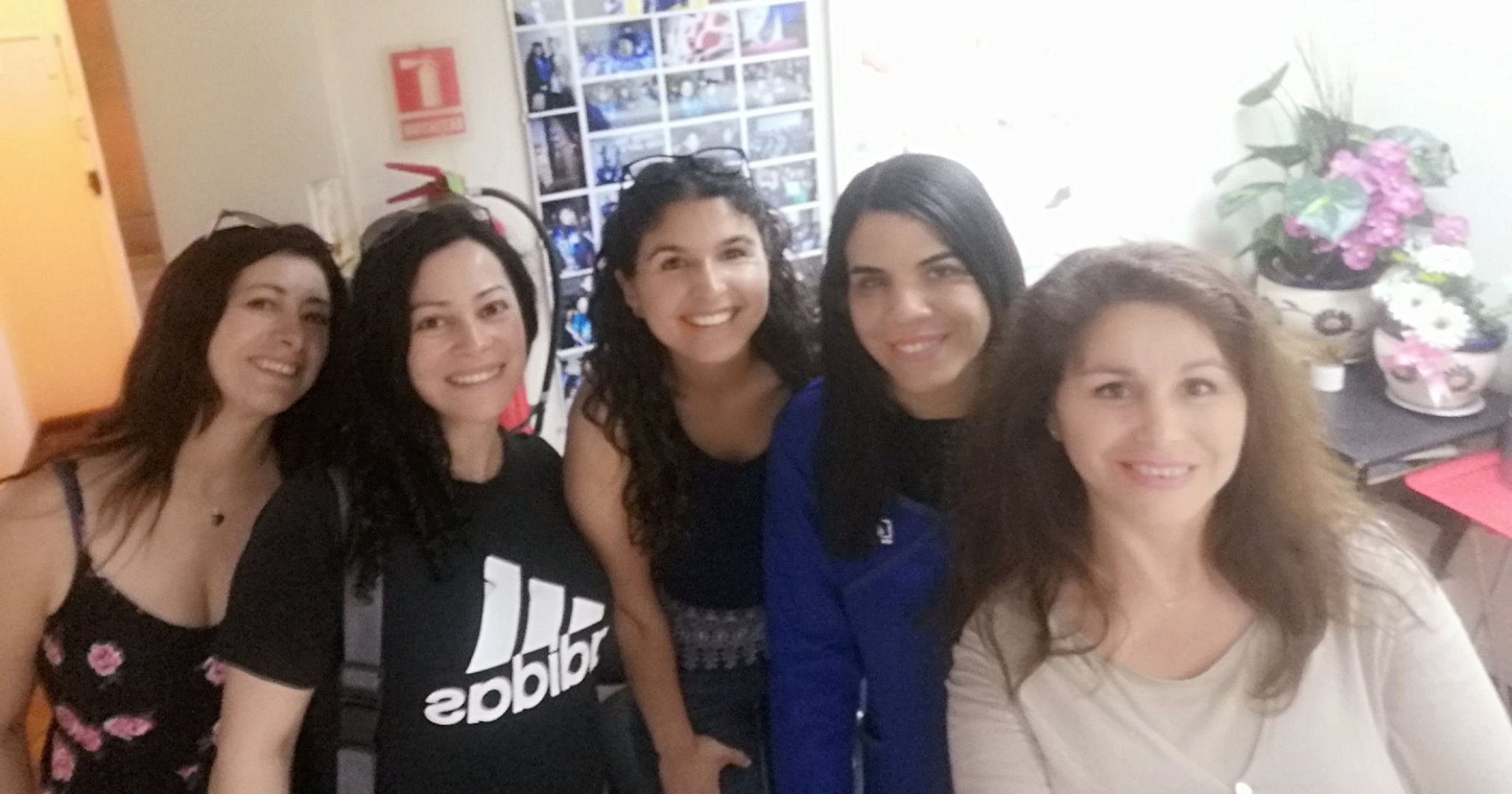
I was hired at the University of California Davis, Chile, to work on a biodiscovery project of microorganisms with potential biocontrol characteristics. We collected microorganisms from vineyards in the Valparaiso, O’Higgins, Maule and Arica regions in Chile.
We found several fungi with biocontrol potential against the most common fungi found in Chilean vineyards associated with Grapevine Trunk Diseases (GTD): Neofussicoccum parvum, Diplodia seriata and Phaeomoniella chamydospora. Some of them were endophytic and epiphytic isolates of Clonostachys rosea.

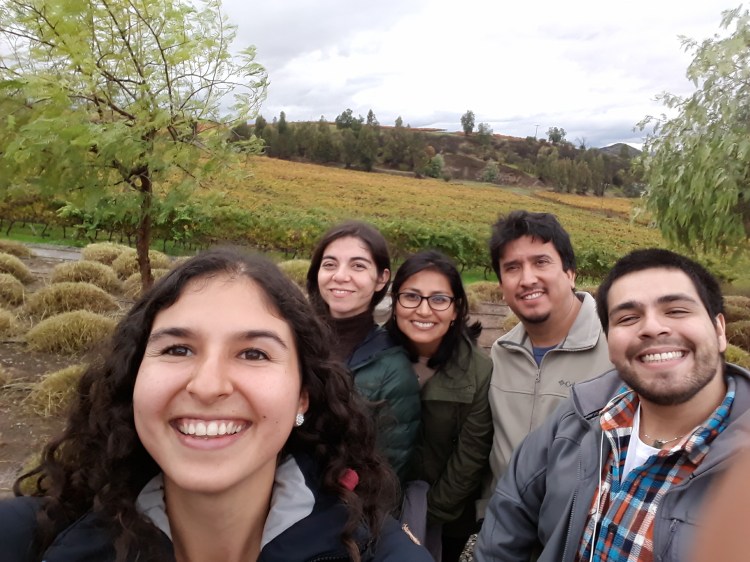
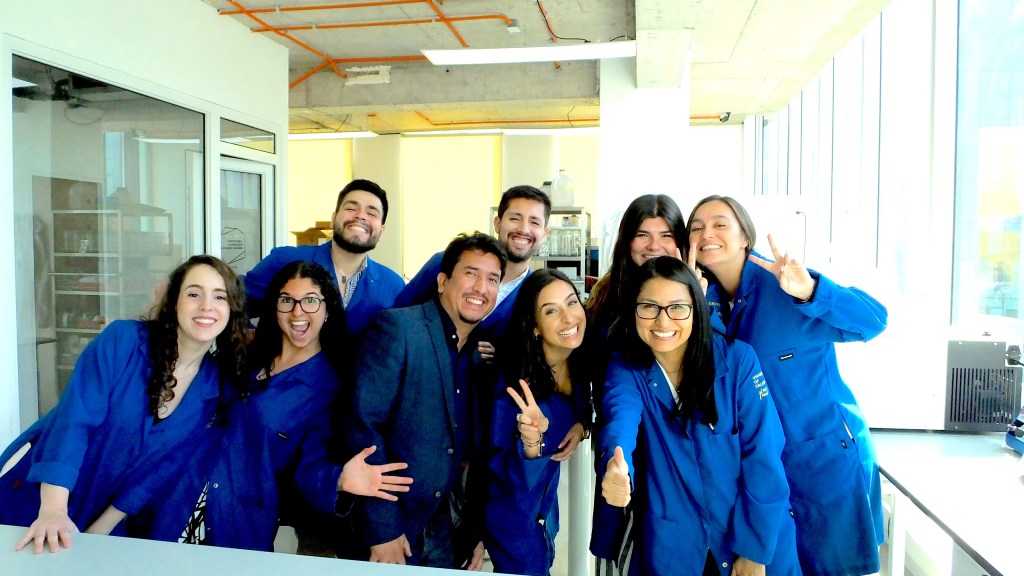
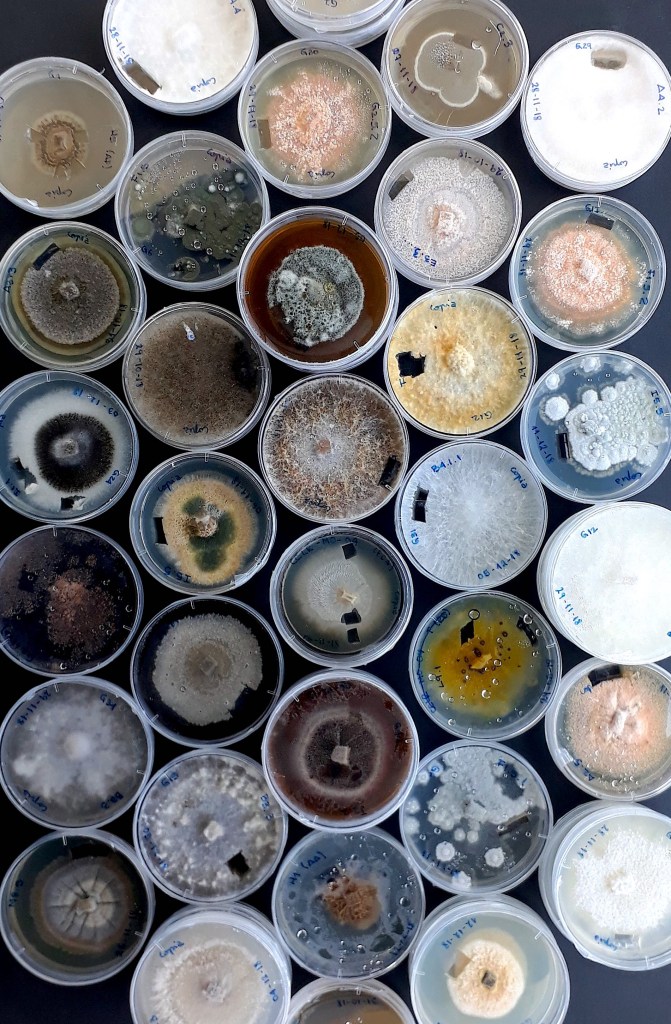
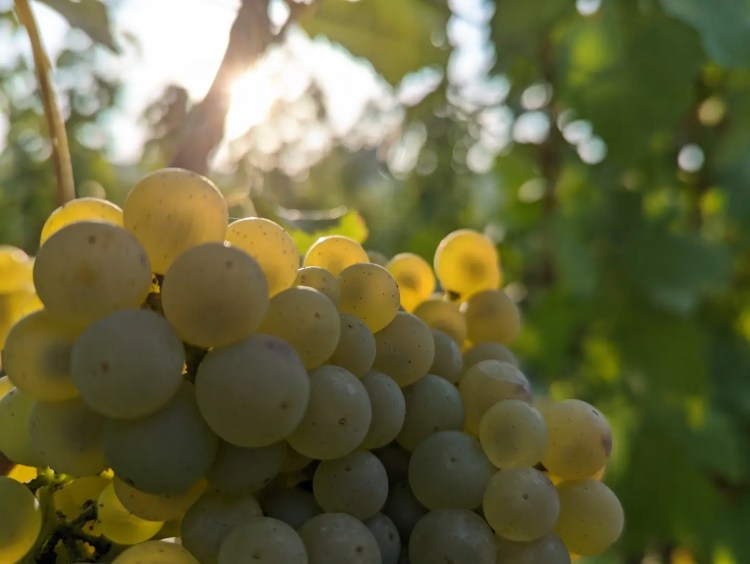
Something very cool was that we collected samples from 150-year-old grapevines from the variety Pais. These vines had never been managed with any industrial practices. Therefore, no pesticide or fungicide had been applied to their lives. Imagine, 150 years, they were alive while grapevines in production vineyards die at 10-12 years old because of GTDs. So, maybe something was helping them to have that longevity… Their microbiome? The microorganisms in the surroundings and in the internal tissues?
Something very interesting about them was the different control strategies the different isolates showed. Some had fast mycoparasitism abilities: they coiled the hyphae of the fungal pathogens, strangulating them to generate reproductive structures over their “corpses”.
We patented it in Chile and the USA.
- INAPI – Patent Application Nº 3618-2019.
- PCT International Patent PCT-CL2020-050107
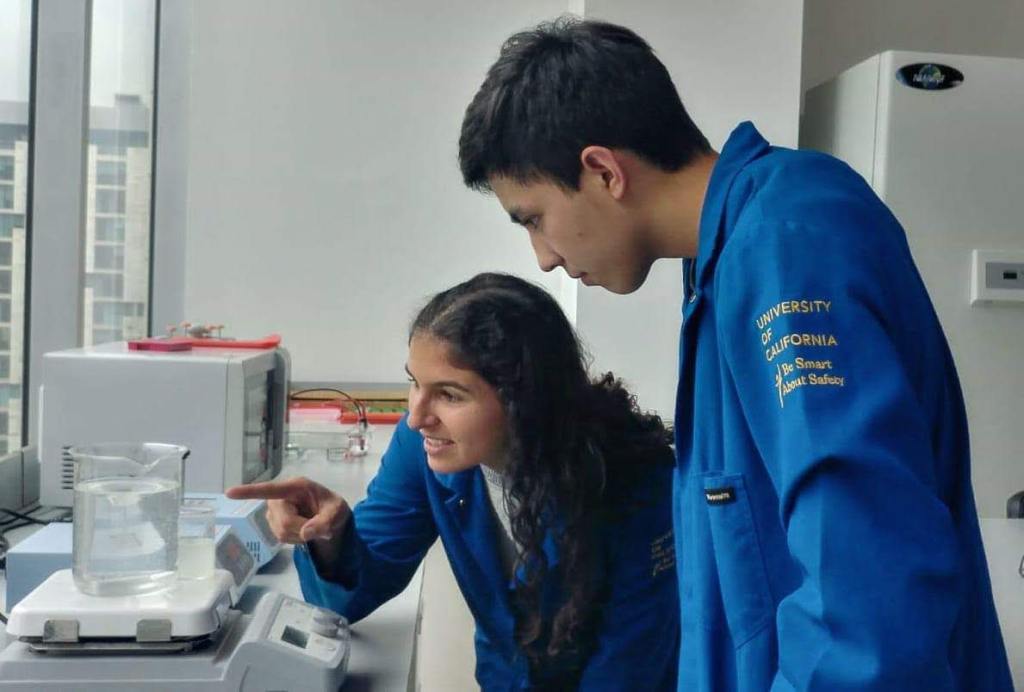

One of the main problems of these pathogenic fungi is that they colonize the internal tissue of the grapevine. So, the usual chemicals used to control fungal crop diseases do not work, as they cover the plant’s surface, but they cannot reach the places where these fungi live.
That is why finding and evaluating a biocontrol agent that could live in the plant’s internal tissues as an endophyte was so important.
And we did it.
We tested these biocontrol fungi in nurseries, under the rutinary industrial processes, to evaluate their colonization of the internal grapevine tissue. In addition, we could test if they remained in the plant months after the inoculation.
Moreover, we evaluated the impact of the biocontroller on the normal internal microbiota of the plant (data soon to be published)
To Be Continued!
I’ll continue writing and adding the rest of what I have done soon!
 Isidora Silva-Valderrama